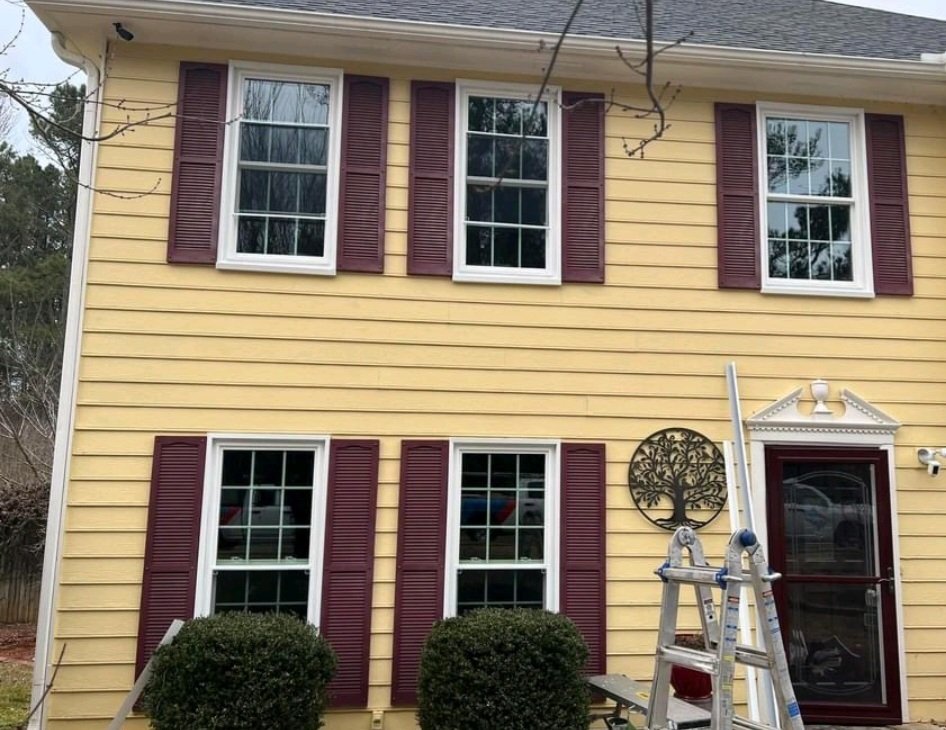
Energy-Efficient Windows for Delaware Homes
Windows are one of the main places your house trades heat with the outdoors. In winter, warmth slips out through older glass and around worn sashes, and in summer the sun pours heat in through the same openings. Energy-efficient windows are built to slow both flows, so the rooms near the glass stay closer to the temperature you set.
HomeMax helps homeowners in Dover and throughout Kent and Sussex counties understand what makes one window more efficient than another, and whether new windows or a careful round of sealing will do more for comfort and energy bills. Every project starts with a free, no-obligation estimate.
What Makes a Window Energy Efficient
Most of a window's efficiency comes from details you cannot see at a glance, and each one is aimed at a different way heat moves: through the glass, around the sash, or in from the sun.
- Two or three panes of glass with sealed, insulating spaces between them
- Low-emissivity coatings that reflect radiant heat while letting daylight through
- Insulating gas fills, such as argon, that slow heat transfer between panes
- Warm-edge spacers that reduce heat loss and condensation at the glass edges
- Insulated frames and tight weatherstripping that limit air leakage around the sash
Window Ratings Explained in Plain Language
Window ratings look technical, but each one answers a simple question. The U-factor tells you how easily heat passes through the whole window, frame included, and a lower value means it insulates better. The solar heat gain rating tells you how much of the sun's heat gets through into your home, and a lower value means less of it comes in.
The right balance depends on where the window sits. Glass facing the hot afternoon sun benefits from blocking more solar heat, while a north-facing window mainly needs to hold warmth in during winter. HomeMax can walk you through the ratings on the windows you are considering and how they suit each side of your house.
Drafts, Condensation and Other Warning Signs
Your windows usually tell you when they are falling behind, especially in older homes and in breezy, exposed spots near the coast around Lewes.
- Cold air you can feel near the sash on a windy day
- Frost or water collecting on the inside of the glass in winter
- Fog or moisture trapped between panes, a sign the seal has failed
- Rooms that overheat on sunny afternoons even with the air conditioning on
- Sashes that rattle, stick or no longer lock tightly
Replace or Seal? Deciding What Pays Off
New windows are not always the right first step. If the frames are solid and the glass seals are intact, fresh caulk, new weatherstripping and adjusting the sashes so they close snugly can stop much of the air leakage with far less work than replacement.
Replacement tends to make more sense when windows are single-pane, the seals between panes have failed, or the frames are rotting or warped. HomeMax also works on attic insulation, doors and siding, so window upgrades can be planned alongside other improvements to your home's envelope.