Security Camera Planning and Installation in Delaware
Security cameras are most useful when they are planned around real questions: who is at the back gate, what happened to the package on the porch, which car pulled into the driveway late at night. Without a plan, it is easy to end up with cameras that miss the one door that matters.
HomeMax helps homeowners in Smyrna, Dover and across Delaware decide where cameras belong, which types fit each spot and how footage will be stored. Because we also do electrical work, we can provide power where a camera needs it instead of relying on long extension cords.
Deciding What Each Camera Should Cover
Start with the places people approach or enter your home, then fill in blind spots. A few well-placed cameras often tell you more than many cameras scattered at random.
- Front door and porch, where deliveries are left
- Driveway and parked cars
- Back and side doors, gates and paths
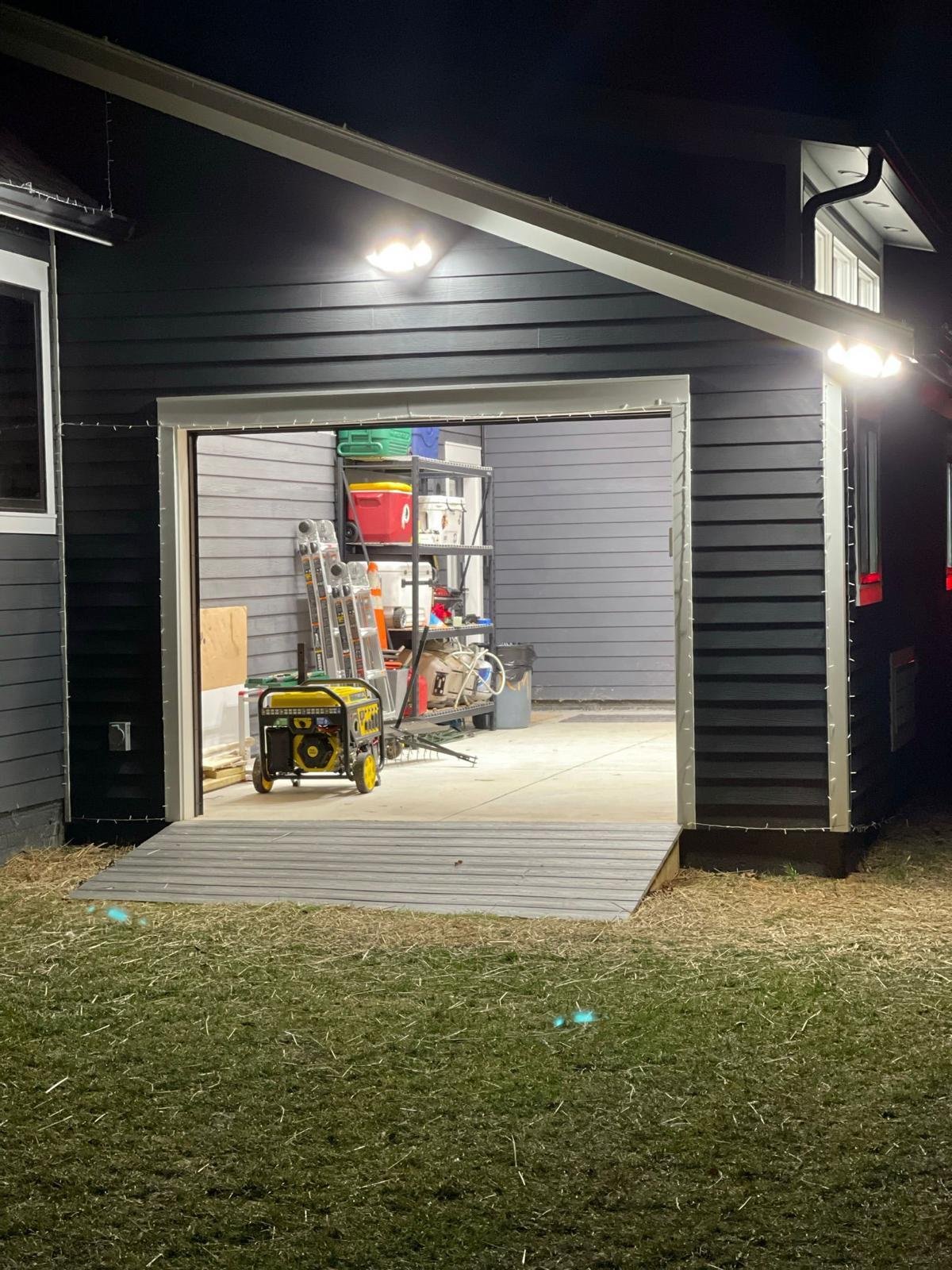
- Detached garages, sheds and workshops
- Windows hidden from the street
- Main hallways or stairs, if you want indoor coverage
Indoor vs Outdoor, Wired vs Wireless
Outdoor cameras need housings rated for rain, humidity and temperature swings, which matters through Delaware summers and coastal storms. Indoor cameras are smaller and simpler, and some include a privacy mode or shutter for when you are home.
Wired cameras draw power, and often data, through one cable, so there are no batteries to charge and the connection stays steady. They take more work to install because cable is routed through walls, attics or soffits. Wireless cameras are quicker to place, but battery models need recharging and every wireless camera depends on a strong Wi-Fi signal at its mounting spot.
Power and Seeing Clearly at Night
Every camera needs a dependable power source, whether that is a nearby outlet, a low-voltage cable run or a hardwired connection at an exterior light fixture. For night recording, most cameras use infrared to capture black-and-white footage in the dark, while some pair with motion lights or built-in spotlights to record in color. Good lighting at entry points helps the camera and anyone walking up to your door.
Privacy, Neighbors and Storing Footage
Aim cameras at your own property. Angling them away from neighbors' windows and yards, and using privacy masking where a camera offers it, keeps the system focused on your home and helps keep good relations next door. Indoor cameras deserve the same care, since family members and guests have privacy too.
Footage can be stored locally on a memory card or a recorder inside the house, in the cloud through a subscription, or both. Local storage keeps recordings in your hands, while cloud storage preserves clips even if a camera is stolen or damaged. HomeMax can walk you through the trade-offs so you can choose.