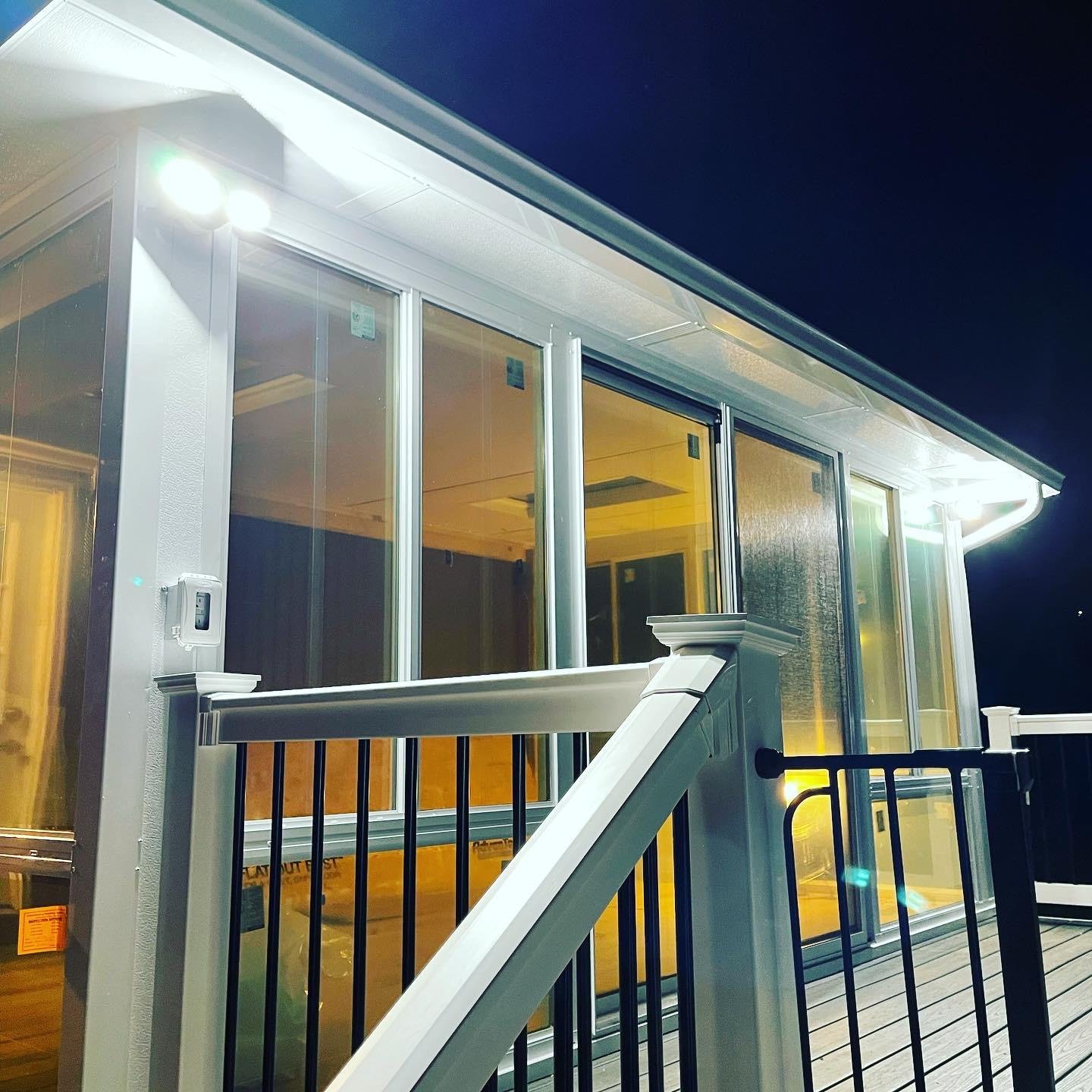
Window Replacement for Delaware Homes
Windows shape how your home looks from the street and how it feels inside. Sashes that stick, fogged glass, drafty frames, and soft or rotting sills are all signs your windows are due for replacement, and new windows give you a chance to rethink style, operation, and how much daylight you let in.
HomeMax replaces windows for homeowners in Dover, Smyrna, and across Kent and Sussex counties. We help you compare styles and frame materials, then recommend the installation method that fits the condition of your existing openings. Financing through Synchrony Financial is also an option, subject to credit approval.
Window Styles and Where Each One Works
The right style depends on the room, the size of the opening, and how you want the window to open. Keeping styles consistent across the front of the house gives the facade a unified look, while kitchens, baths, and back rooms can favor function over symmetry.
- Double-hung: two sashes slide vertically, and many tilt in for cleaning
- Casement: hinged and cranked outward to catch breezes and seal tightly
- Slider: sashes glide sideways, handy over counters and in wide openings
- Picture: fixed glass that frames a view and brings in maximum light
- Bay and bow: projecting units that add depth, a seat, and light
Comparing Vinyl, Wood, Fiberglass, and Composite Frames
Vinyl frames are low maintenance and budget friendly, and they never need painting, though color choices can be more limited and very large openings may call for a stiffer material. Wood frames offer a classic look and can be painted or stained to match any interior, but they need regular upkeep to keep moisture out.
Fiberglass is strong and stable through temperature swings, holds paint well, and suits larger windows with slim frames. Composite frames blend wood fibers and polymers for a wood-like appearance with less maintenance. With humid summers and salt air near the coast, frame materials that shrug off moisture tend to age more gracefully.
Full-Frame vs. Insert Replacement in Plain Terms
An insert replacement sets a new window unit inside your existing frame. It works when the old frame is square, solid, and free of rot, and it leaves interior trim and exterior siding largely undisturbed.
A full-frame replacement removes the old window down to the rough opening. It involves more work, but it lets the installer find and repair hidden damage, add proper flashing, and change the size or style of the opening. If you see soft wood, water stains, or gaps around the frame, full-frame is usually the safer choice.