Portable Generator Safety and Hookups in Delaware
A portable generator can keep the refrigerator cold, the sump pump running, and a few lights on through an outage, but only when it is set up and used safely. Many of the serious hazards come from where the generator runs and how it is connected, not from the machine itself.
HomeMax helps homeowners in Dover, Bridgeville, and nearby communities connect portable generators the right way, and can help you decide when a standby system would serve you better.
Carbon Monoxide Safety Comes First
Generator exhaust contains carbon monoxide, a gas you cannot see or smell that can reach dangerous levels quickly. Never run a portable generator inside your home, garage, basement, crawl space, or shed, even with doors and windows open. Outdoors, keep it at least 20 feet from the house, as consumer safety agencies advise, with the exhaust pointed away from windows, doors, and vents.
Install battery-operated or battery-backup carbon monoxide alarms on every level of your home and outside sleeping areas. If anyone starts to feel dizzy, sick, or weak while the generator is running, get to fresh air right away and call 911.
Connect Through a Transfer Switch or Interlock, Never an Outlet
Plugging a generator into a wall outlet with a cord that has plugs on both ends, often called back-feeding, is dangerous and should never be done. It can send electricity back onto utility lines, endangering line workers, and it can overload household wiring and create a fire risk.
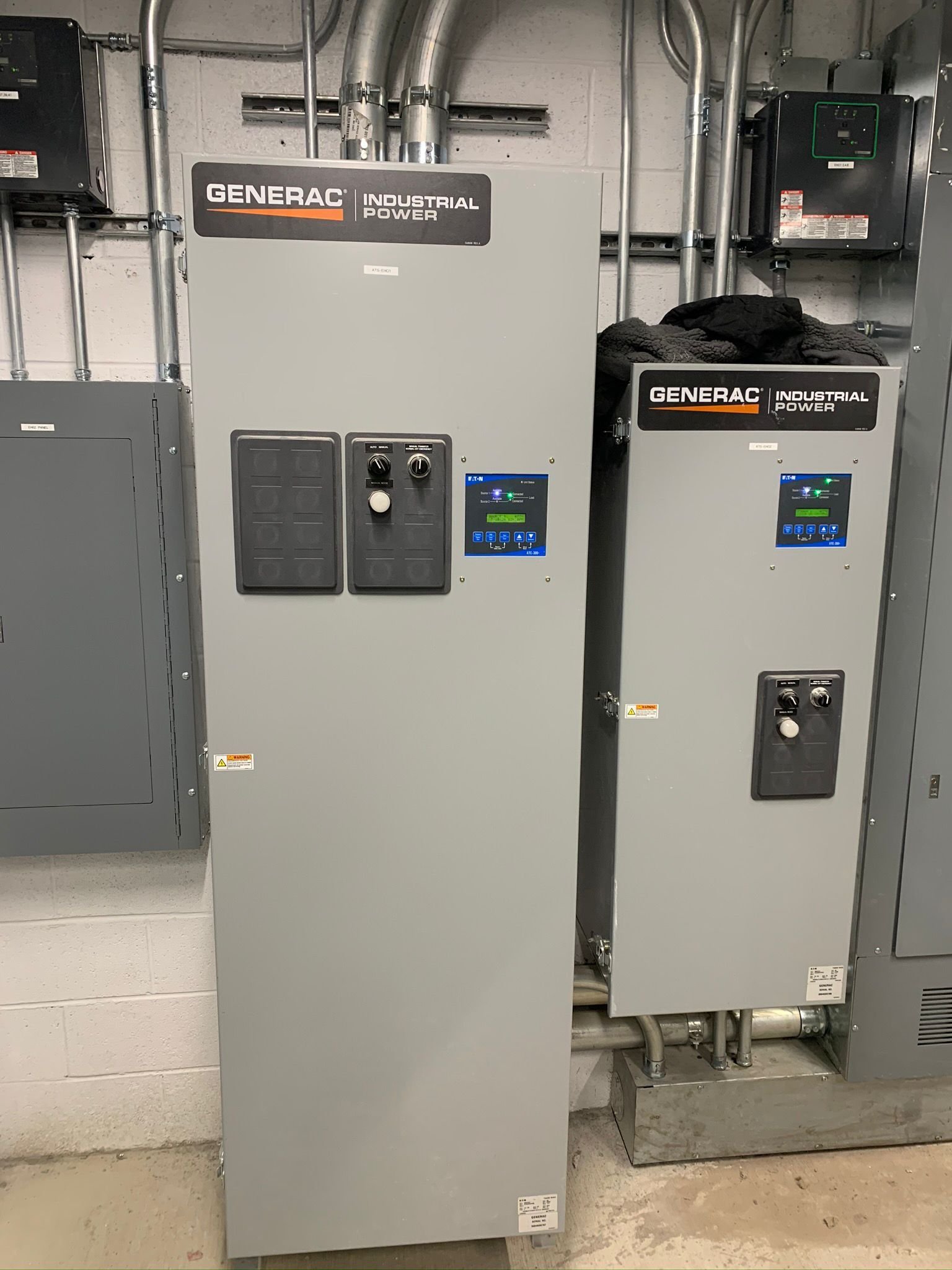
The safe alternative is a manual transfer switch or a panel interlock, connected to a weatherproof inlet box mounted outside. You plug the generator into the inlet with a properly rated cord, and the switch or interlock prevents your panel from being connected to the generator and the utility at the same time. This is work for a licensed electrician, and HomeMax can install it for you.
Sizing, Cords, and Fuel Storage
A portable generator usually cannot run your whole house, so size it for the loads you need at the same time. Add up the running watts of each item, then allow for the extra starting watts that motors in refrigerators and pumps draw as they start. Overloading a generator can trip its breaker or damage connected equipment.
Everyday habits matter too:
- Use heavy-duty, outdoor-rated cords sized for the load, and keep them dry
- Check cords for cuts or damaged plugs before each use
- Shut the generator off and let it cool before refueling
- Store gasoline in approved containers away from living areas
- Add fuel stabilizer or drain the tank before long storage
When a Standby Generator Makes More Sense
Portable generators are flexible, but they ask a lot of you during a storm: moving the unit outside, connecting it, refueling it, and managing loads. A standby generator may suit you better if outages are frequent or long, if no one is always home to set things up, or if you rely on a well pump or medical equipment. HomeMax installs both and can walk you through the trade-offs.