Aging-in-Place Modifications for Delaware Homes
Staying in the home you love often comes down to a handful of practical changes. A shower you can walk into, a sturdy rail on both sides of the stairs, brighter lighting and floors with good footing can make everyday routines easier for you, a parent who lives with you or guests who move more carefully.
HomeMax makes these modifications for homeowners in Lewes, Millsboro and throughout Kent and Sussex counties. Many of the changes are modest on their own, and they can be done one at a time or combined into a larger bathroom or first-floor remodel.
Bathrooms That Are Easier to Use
The bathroom is often the first room people modify. Replacing a tub with a curbless or low-threshold walk-in shower removes the need to step over a high edge, and a built-in bench or fold-down seat plus a handheld showerhead on a slide bar make bathing comfortable whether you sit or stand.
Grab bars should be anchored into studs or solid blocking and placed where you naturally reach for support: at the shower entry, inside the shower and beside the toilet. Towel bars are not designed to hold body weight, so they are no substitute. A comfort-height toilet and a slip-resistant floor round out the room.
Handrails, Handles and Lighting Throughout the Home
Small details throughout the house add up to easier daily movement. Because HomeMax also handles electrical work, lighting and switch changes can be part of the same project.
- Sturdy handrails on both sides of stairs, running their full length
- Lever handles on doors and faucets instead of round knobs
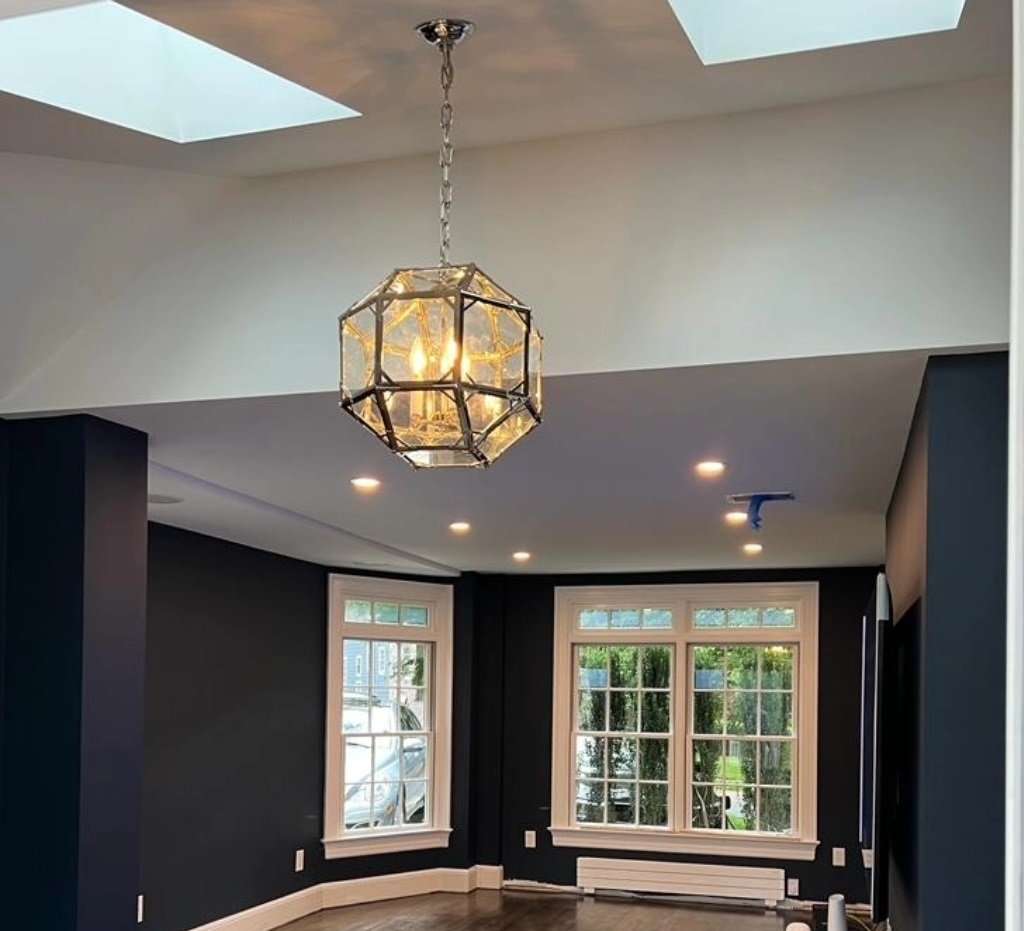
- Brighter, more even lighting in hallways, stairways and kitchens
- Lighted switches and motion-activated lights for nighttime trips
- Switches at both ends of stairs and long hallways
- Outlets and switches placed at easier-to-reach heights
Flooring With Better Footing
Flooring choices affect how secure each step feels. Slip-resistant tile or textured luxury vinyl offers better grip in bathrooms and kitchens, while low-pile carpet or smooth hard flooring is easier for walkers and wheelchairs than thick plush carpet. Removing raised thresholds, securing loose rugs and keeping floor heights consistent between rooms eliminates many common tripping points.
Planning for First-Floor Living
If stairs are becoming difficult, the most lasting solution is often to make the first floor fully livable. That can mean converting a den or dining room into a bedroom, adding or expanding a first-floor bathroom with a walk-in shower, widening doorways for a walker or wheelchair and moving laundry to the main level. Planning these changes before they become urgent gives you time to make choices that fit your home and budget.