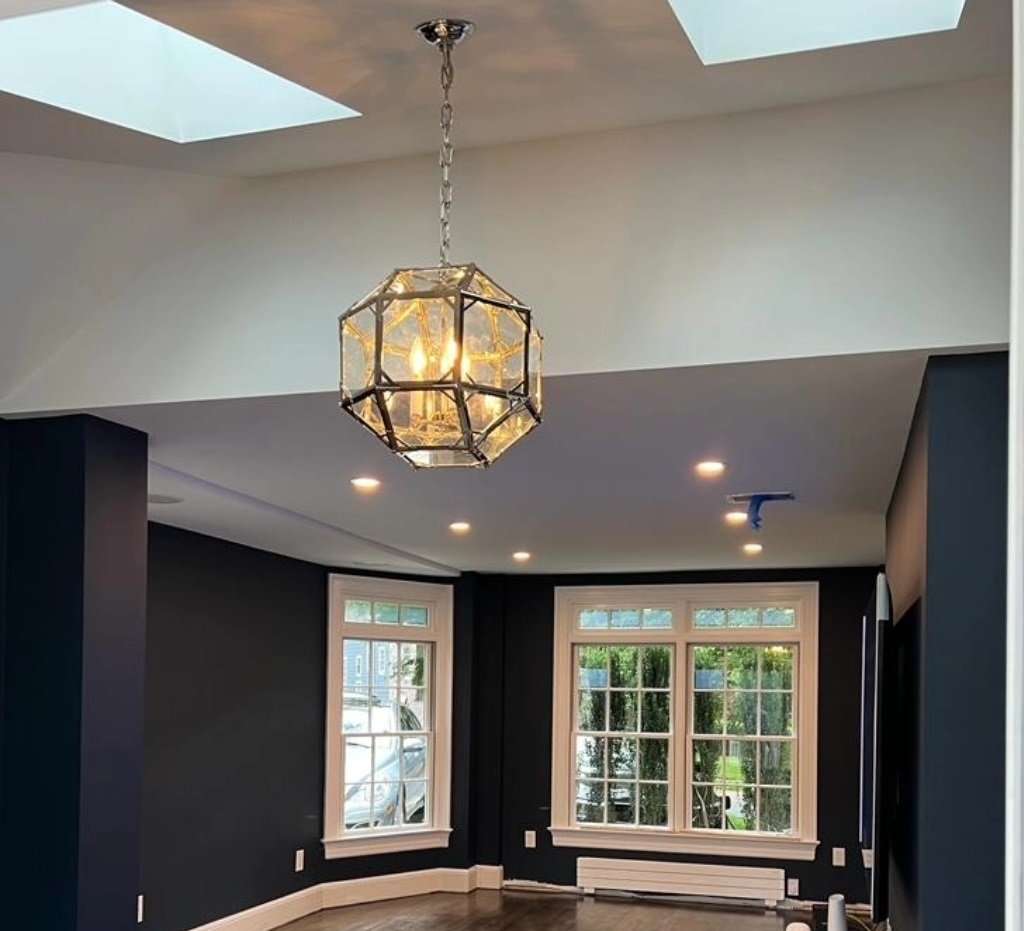
Basement Finishing in Delaware That Starts With Moisture Control
An unfinished basement can become a family room, home office, gym or guest suite without adding to your home's footprint. The difference between a basement that feels like the rest of the house and one that smells damp and stays chilly comes down to how the space is prepared before the first wall goes up.
HomeMax finishes basements for homeowners in Dover, Smyrna and nearby communities. Since we handle both remodeling and electrical work, the framing, lighting, outlets and finishes are planned together, and financing is available through Synchrony Financial, subject to credit approval.
Deal With Moisture Before Anything Else
Below-grade walls and floors are in constant contact with soil, so some moisture is normal. Before finishing, look for warning signs: damp spots, white mineral deposits on the concrete, musty odors or water after heavy rain. Covering a wet wall with drywall only hides the problem until mold and damage appear, so these fixes come first.
- Make sure gutters and downspouts carry water away from the foundation
- Confirm the ground slopes away from the house
- Seal cracks and stop any active water entry
- Plan for a dehumidifier to manage humid summer air
Framing, Insulation and Drywall for Below-Grade Walls
Basement walls are usually framed slightly away from the foundation, with a pressure-treated bottom plate wherever wood meets concrete. Rigid foam insulation against the foundation is a common approach because it does not absorb moisture the way fiberglass batts can, and it keeps warm, humid indoor air from condensing on cold concrete.
Moisture-resistant drywall is a sensible choice below grade, installed with a small gap above the floor so it cannot wick up water. Ceilings can be finished in drywall for a clean look, or with a suspended ceiling that keeps pipes, ducts and wiring accessible.
Flooring, Lighting and Comfort Below Grade
Basement flooring should tolerate occasional moisture. Luxury vinyl plank, porcelain tile and engineered products rated for below-grade use are common choices, while solid hardwood is generally avoided. Carpet can work in a basement that stays dry.
Basements tend to be dark, so plan generous recessed or surface lighting on dimmers and enough outlets for electronics, a TV or a desk. For heating and cooling, some homes can extend existing ductwork, while others are better served by a ductless system or a separate zone.
Planning a Basement Bedroom
If you plan to add a bedroom, keep in mind that sleeping rooms in a basement typically need an egress route to the outside, such as an egress window with a window well or a door that opens directly outdoors. Requirements vary by location, so confirm this early, because it affects the layout and the scope of the project.