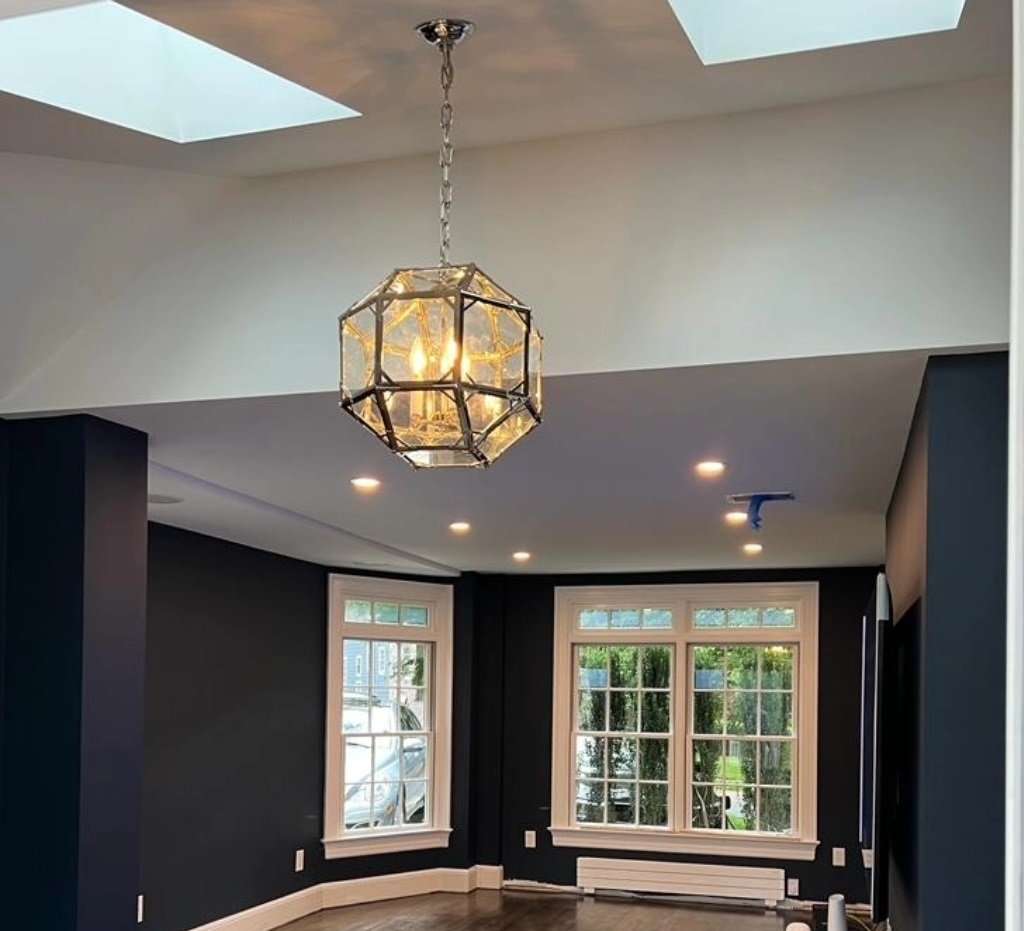
Flooring for Every Room of Your Delaware Home
The right floor for a living room is not always the right floor for a kitchen, bathroom or basement. Each material balances appearance, comfort, durability and how it handles water and humidity, and the room it goes in determines which of those qualities matter most.
HomeMax installs hardwood, engineered wood, luxury vinyl, laminate, tile and carpet for homeowners in Milford, Bridgeville and across Delaware. Below is a practical look at the trade-offs to help you narrow your choices before your free estimate.
How Common Flooring Materials Compare
Each material has real strengths and limits, and matching them to the room avoids disappointment later.
- Hardwood: warm and refinishable, but sensitive to water and humidity swings
- Engineered wood: real wood surface over a stable core that tolerates humidity better
- Luxury vinyl: water-resistant and comfortable, though heavy furniture can dent it
- Laminate: scratch-resistant and realistic, but standing water can damage many products
- Tile: very durable and water-resistant, though hard and cool underfoot
- Carpet: soft, warm and quiet, suited to bedrooms and family rooms
Matching the Floor to the Room
Living rooms, dining rooms and bedrooms are natural fits for hardwood, engineered wood or carpet. Kitchens and mudrooms see spills and tracked-in grit, so luxury vinyl and tile are popular there, and wood can work if spills are wiped up promptly. Bathrooms and laundry rooms call for tile or luxury vinyl. Basements need materials that tolerate below-grade moisture, which generally rules out solid hardwood. In older homes, original hardwood hidden under carpet can sometimes be refinished instead of replaced, so it is worth checking before you choose a new floor.
Moisture, Subfloors and Transitions
Delaware's humid summers and drier heated winters make wood expand and contract. Wood flooring is usually acclimated to the home before installation and laid with expansion gaps at the walls, and keeping indoor humidity reasonably steady helps prevent gaps and cupping. Over concrete, a moisture test and a vapor barrier protect the new floor from moisture rising through the slab.
A new floor is only as good as what lies beneath it. The subfloor should be clean, dry, flat and firmly fastened, which can mean fixing squeaks, replacing water-damaged sections or applying leveling compound so planks lock together properly and tile does not crack.
Where two floors meet, a transition piece covers the edge and handles any difference in height. T-moldings join floors of the same height, reducers step down to a lower surface, and thresholds finish doorways. Planning these details up front, including whether doors need trimming to clear a thicker floor, gives the finished job a clean, continuous look.